
Damon Ultima 1 Year Programme
Season 2 of the only programme of its kind in the World
Next course starts on: 25 January 2025 24 Days – 2 Hours – 42 Minutes
Rated  by past graduates
Damon Ultima 1 Year Programme
Season 2 of the only programme of its kind in the World
Launch your career in a new and exciting direction with this advanced orthodontic programme. Season 1 was an immense success and registration is now open for Season 2.
This programme is designed to help orthodontists dealing with complex cases and provide their patients outstanding results.
By the end of the programme you will be able to finish your cases with less stress and have more happy patients
Module 1 & Module 2
Module 3 & Module 4
Module 5 & Module 6
Module 1
Module 1 will focus on Aestheicaly Oriented diagnosis and treatment planning, there will be 2 workshops in this module. The first one will be on selected real cases for diagnosis, and the 2nd workshop will be for Advanced Orthodontic Photography.
Module 2
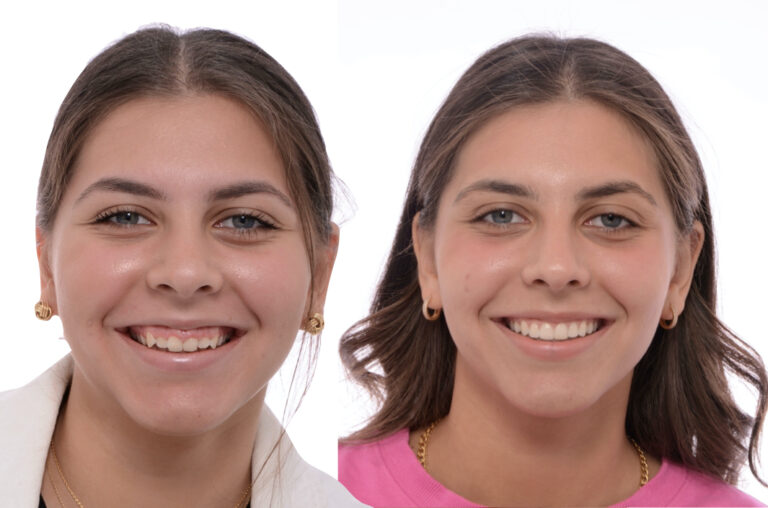
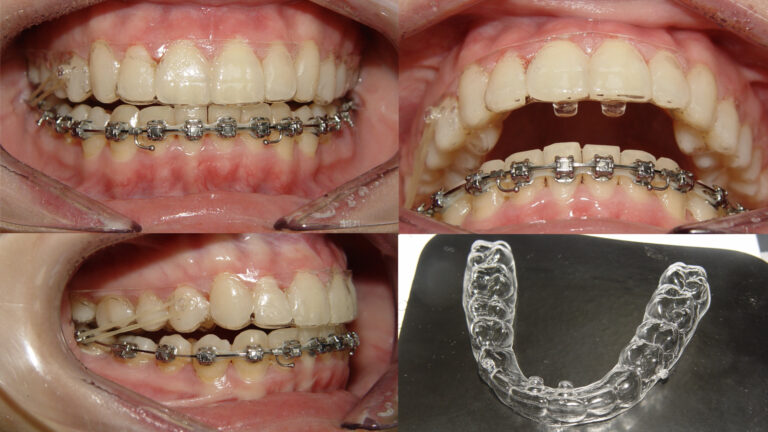
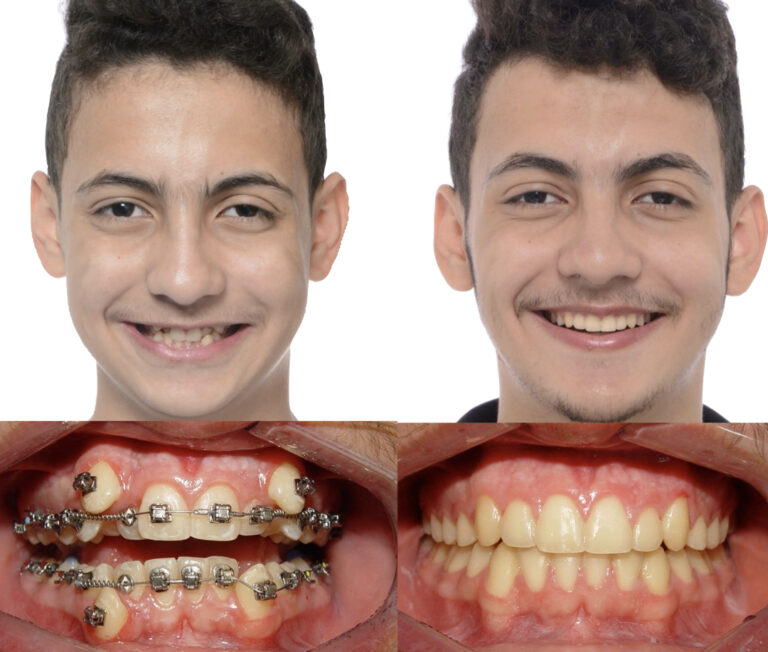
Module 2 will focus on solving Severe Crowding and spacing in class I malocclusion, and class II malocclusion without extraction or surgery. This module will contain the Damon Ultima Bracket Placement Workshop, and deprogrammer placement workshop.
Module 3
Module 3 will deal with solving Class III and Bimaxillary protrusion cases, again Without extraction or surgery. There will be a TADs placement workshop
Module 4
Module 4 will deal with Vertical discprencies from Gummy smile and open bite cases to facial asymmetry cases. The approach will be mainly non-surgical and there will be a workshop on placing tongue tamers, and palatal TADs
Module 5
Module 5 will focus on hybrid approach of using Damon Ultima with Clear Aligners. It will also cover the general principle of Clear aligner biomechanics and how to plan for in-house aligner
Module 6
Module 6 is the crown jewel of this programme where everything will come together, from mastering the art of Pano-Repo to the detailed protocols of soft tissue recontoruing with Laser, and the comprehensive retention plan each specific malocclusion.
The fees for the course are 6000 USD that can be paid in 3 payments
2000 USD on registration
2000 USD April 2025
2000 USD August 2025
Contact Us via email (info@borganacademy.com) for any questions
Testimonials from recent graduates
Even the all-powerful Pointing has no control about the blind texts it is an almost unorthographic life One day however a small line of blind text by the name of Lorem Ipsum decided to leave for the far World of Grammar. The Big Oxmox advised her

LDi offers professional growth opportunities within a vibrant community of dental experts, fostering connections, collaboration, and shared learning. We are dedicated to making these opportunities accessible worldwide, empowering dentists in the UK and abroad to advance their careers.
Advancing careers for students from:









What you need to get your diploma
Diploma entrance requirements
To enrol in the Diploma in Orthodontics and Dentofacial Orthopaedics course, applicants must meet the following criteria:
Assessment
Throughout the course, you will complete three examinations consisting of multiple-choice and short answer questions to evaluate your understanding of the theoretical concepts covered as well as a final written case presentation (clinical case provided).
Qualification
Upon successful completion, you will be awarded the Diploma in Orthodontics and Dentofacial Orthopaedics – a prestigious UK-accredited qualification that showcases your expertise in orthodontics.
Our Diploma is accredited in partnership with EduQual, a regulated awarding body, approved by SQA Accreditation, a globally-recognised qualifications regulator in the UK.
The course meets the Level 7 teaching hour requirements of a Level 7 course, equivalent to a Master’s level qualification.
The Diploma in Orthodontics & Dentofacial Orthopaedics comprises six online learning units, each containing multiple teaching modules offering 25 taught modules. The course is delivered by an international faculty of over 30 expert lecturers, ensuring a comprehensive and high-quality learning experience.
Unit 1 / Principles of Orthodontic Assessment and Diagnosis
This unit lays the foundations for an in-depth understanding of orthodontic principles, whether you are a beginner looking to build confidence or an experienced practitioner seeking to refine your expertise. By understanding orthodontic assessment, biological foundations, research interpretation, and essential clinical skills, you’ll be well-prepared to implement effective, evidence-based orthodontic care.
Modules include:
Orthodontic Assessment and Diagnosis: Master the step-by-step approach to comprehensive patient assessment, including record-taking, diagnosis, and treatment planning. Through expert-led webinars, you’ll learn how to manage patient expectations, perform extraoral and intraoral examinations, and select appropriate records for each case. This module equips you with a repeatable approach for effective orthodontic evaluation.
The Biological Basis of Orthodontics: Dive into the science of craniofacial growth, development, and the biological processes that drive tooth movement.This series explores embryology, bone biology, and the causes of malocclusion, connecting these concepts to clinical practice. You’ll gain insights into how normal and abnormal dental development impacts orthodontic outcomes, enhancing your understanding of patient-specific treatment approaches.
Clinical Research Skills: Refresh your skills and ability to read, interpret, and apply scientific research with confidence. This module introduces essential research methods, basic statistics, and strategies for critically appraising orthodontic literature. You’ll leave with an evidence-based approach that informs your practice and helps your skills in critical appraisal of information and research.
Clinical Photography: Learn the fundamentals of dental photography, from camera setup to patient positioning, to ensure consistently high-quality images for accurate records and treatment planning. This module covers exposure, lighting, and composition, along with legal and ethical considerations, such as obtaining patient consent and maintaining comprehensive documentation.
Cephalometry: Gain a deep understanding of cephalometric analysis and its role in orthodontic diagnosis and treatment planning. Through practical exercises and expert-led webinars, you’ll learn core principles in traditional tracing, explore AI-driven platforms like WebCeph, and how to apply cephalometric tracing techniques to your own real-world cases.
Unit 1 / Principles of Orthodontic Assessment and Diagnosis
This unit lays the foundations for an in-depth understanding of orthodontic principles, whether you are a beginner looking to build confidence or an experienced practitioner seeking to refine your expertise. By understanding orthodontic assessment, biological foundations, research interpretation, and essential clinical skills, you’ll be well-prepared to implement effective, evidence-based orthodontic care.
Modules include:
Orthodontic Assessment and Diagnosis: Master the step-by-step approach to comprehensive patient assessment, including record-taking, diagnosis, and treatment planning. Through expert-led webinars, you’ll learn how to manage patient expectations, perform extraoral and intraoral examinations, and select appropriate records for each case. This module equips you with a repeatable approach for effective orthodontic evaluation.
The Biological Basis of Orthodontics: Dive into the science of craniofacial growth, development, and the biological processes that drive tooth movement.This series explores embryology, bone biology, and the causes of malocclusion, connecting these concepts to clinical practice. You’ll gain insights into how normal and abnormal dental development impacts orthodontic outcomes, enhancing your understanding of patient-specific treatment approaches.
Clinical Research Skills: Refresh your skills and ability to read, interpret, and apply scientific research with confidence. This module introduces essential research methods, basic statistics, and strategies for critically appraising orthodontic literature. You’ll leave with an evidence-based approach that informs your practice and helps your skills in critical appraisal of information and research.
Clinical Photography: Learn the fundamentals of dental photography, from camera setup to patient positioning, to ensure consistently high-quality images for accurate records and treatment planning. This module covers exposure, lighting, and composition, along with legal and ethical considerations, such as obtaining patient consent and maintaining comprehensive documentation.
Cephalometry: Gain a deep understanding of cephalometric analysis and its role in orthodontic diagnosis and treatment planning. Through practical exercises and expert-led webinars, you’ll learn core principles in traditional tracing, explore AI-driven platforms like WebCeph, and how to apply cephalometric tracing techniques to your own real-world cases.
Unit 1 / Principles of Orthodontic Assessment and Diagnosis
This unit lays the foundations for an in-depth understanding of orthodontic principles, whether you are a beginner looking to build confidence or an experienced practitioner seeking to refine your expertise. By understanding orthodontic assessment, biological foundations, research interpretation, and essential clinical skills, you’ll be well-prepared to implement effective, evidence-based orthodontic care.
Modules include:
Orthodontic Assessment and Diagnosis: Master the step-by-step approach to comprehensive patient assessment, including record-taking, diagnosis, and treatment planning. Through expert-led webinars, you’ll learn how to manage patient expectations, perform extraoral and intraoral examinations, and select appropriate records for each case. This module equips you with a repeatable approach for effective orthodontic evaluation.
The Biological Basis of Orthodontics: Dive into the science of craniofacial growth, development, and the biological processes that drive tooth movement.This series explores embryology, bone biology, and the causes of malocclusion, connecting these concepts to clinical practice. You’ll gain insights into how normal and abnormal dental development impacts orthodontic outcomes, enhancing your understanding of patient-specific treatment approaches.
Clinical Research Skills: Refresh your skills and ability to read, interpret, and apply scientific research with confidence. This module introduces essential research methods, basic statistics, and strategies for critically appraising orthodontic literature. You’ll leave with an evidence-based approach that informs your practice and helps your skills in critical appraisal of information and research.
Clinical Photography: Learn the fundamentals of dental photography, from camera setup to patient positioning, to ensure consistently high-quality images for accurate records and treatment planning. This module covers exposure, lighting, and composition, along with legal and ethical considerations, such as obtaining patient consent and maintaining comprehensive documentation.
Cephalometry: Gain a deep understanding of cephalometric analysis and its role in orthodontic diagnosis and treatment planning. Through practical exercises and expert-led webinars, you’ll learn core principles in traditional tracing, explore AI-driven platforms like WebCeph, and how to apply cephalometric tracing techniques to your own real-world cases.
Unit 1 / Principles of Orthodontic Assessment and Diagnosis
This unit lays the foundations for an in-depth understanding of orthodontic principles, whether you are a beginner looking to build confidence or an experienced practitioner seeking to refine your expertise. By understanding orthodontic assessment, biological foundations, research interpretation, and essential clinical skills, you’ll be well-prepared to implement effective, evidence-based orthodontic care.
Modules include:
Orthodontic Assessment and Diagnosis: Master the step-by-step approach to comprehensive patient assessment, including record-taking, diagnosis, and treatment planning. Through expert-led webinars, you’ll learn how to manage patient expectations, perform extraoral and intraoral examinations, and select appropriate records for each case. This module equips you with a repeatable approach for effective orthodontic evaluation.
The Biological Basis of Orthodontics: Dive into the science of craniofacial growth, development, and the biological processes that drive tooth movement.This series explores embryology, bone biology, and the causes of malocclusion, connecting these concepts to clinical practice. You’ll gain insights into how normal and abnormal dental development impacts orthodontic outcomes, enhancing your understanding of patient-specific treatment approaches.
Clinical Research Skills: Refresh your skills and ability to read, interpret, and apply scientific research with confidence. This module introduces essential research methods, basic statistics, and strategies for critically appraising orthodontic literature. You’ll leave with an evidence-based approach that informs your practice and helps your skills in critical appraisal of information and research.
Clinical Photography: Learn the fundamentals of dental photography, from camera setup to patient positioning, to ensure consistently high-quality images for accurate records and treatment planning. This module covers exposure, lighting, and composition, along with legal and ethical considerations, such as obtaining patient consent and maintaining comprehensive documentation.
Cephalometry: Gain a deep understanding of cephalometric analysis and its role in orthodontic diagnosis and treatment planning. Through practical exercises and expert-led webinars, you’ll learn core principles in traditional tracing, explore AI-driven platforms like WebCeph, and how to apply cephalometric tracing techniques to your own real-world cases.
Unit 1 / Principles of Orthodontic Assessment and Diagnosis
This unit lays the foundations for an in-depth understanding of orthodontic principles, whether you are a beginner looking to build confidence or an experienced practitioner seeking to refine your expertise. By understanding orthodontic assessment, biological foundations, research interpretation, and essential clinical skills, you’ll be well-prepared to implement effective, evidence-based orthodontic care.
Modules include:
Orthodontic Assessment and Diagnosis: Master the step-by-step approach to comprehensive patient assessment, including record-taking, diagnosis, and treatment planning. Through expert-led webinars, you’ll learn how to manage patient expectations, perform extraoral and intraoral examinations, and select appropriate records for each case. This module equips you with a repeatable approach for effective orthodontic evaluation.
The Biological Basis of Orthodontics: Dive into the science of craniofacial growth, development, and the biological processes that drive tooth movement.This series explores embryology, bone biology, and the causes of malocclusion, connecting these concepts to clinical practice. You’ll gain insights into how normal and abnormal dental development impacts orthodontic outcomes, enhancing your understanding of patient-specific treatment approaches.
Clinical Research Skills: Refresh your skills and ability to read, interpret, and apply scientific research with confidence. This module introduces essential research methods, basic statistics, and strategies for critically appraising orthodontic literature. You’ll leave with an evidence-based approach that informs your practice and helps your skills in critical appraisal of information and research.
Clinical Photography: Learn the fundamentals of dental photography, from camera setup to patient positioning, to ensure consistently high-quality images for accurate records and treatment planning. This module covers exposure, lighting, and composition, along with legal and ethical considerations, such as obtaining patient consent and maintaining comprehensive documentation.
Cephalometry: Gain a deep understanding of cephalometric analysis and its role in orthodontic diagnosis and treatment planning. Through practical exercises and expert-led webinars, you’ll learn core principles in traditional tracing, explore AI-driven platforms like WebCeph, and how to apply cephalometric tracing techniques to your own real-world cases.
Unit 1 / Principles of Orthodontic Assessment and Diagnosis
This unit lays the foundations for an in-depth understanding of orthodontic principles, whether you are a beginner looking to build confidence or an experienced practitioner seeking to refine your expertise. By understanding orthodontic assessment, biological foundations, research interpretation, and essential clinical skills, you’ll be well-prepared to implement effective, evidence-based orthodontic care.
Modules include:
Orthodontic Assessment and Diagnosis: Master the step-by-step approach to comprehensive patient assessment, including record-taking, diagnosis, and treatment planning. Through expert-led webinars, you’ll learn how to manage patient expectations, perform extraoral and intraoral examinations, and select appropriate records for each case. This module equips you with a repeatable approach for effective orthodontic evaluation.
The Biological Basis of Orthodontics: Dive into the science of craniofacial growth, development, and the biological processes that drive tooth movement.This series explores embryology, bone biology, and the causes of malocclusion, connecting these concepts to clinical practice. You’ll gain insights into how normal and abnormal dental development impacts orthodontic outcomes, enhancing your understanding of patient-specific treatment approaches.
Clinical Research Skills: Refresh your skills and ability to read, interpret, and apply scientific research with confidence. This module introduces essential research methods, basic statistics, and strategies for critically appraising orthodontic literature. You’ll leave with an evidence-based approach that informs your practice and helps your skills in critical appraisal of information and research.
Clinical Photography: Learn the fundamentals of dental photography, from camera setup to patient positioning, to ensure consistently high-quality images for accurate records and treatment planning. This module covers exposure, lighting, and composition, along with legal and ethical considerations, such as obtaining patient consent and maintaining comprehensive documentation.
Cephalometry: Gain a deep understanding of cephalometric analysis and its role in orthodontic diagnosis and treatment planning. Through practical exercises and expert-led webinars, you’ll learn core principles in traditional tracing, explore AI-driven platforms like WebCeph, and how to apply cephalometric tracing techniques to your own real-world cases.
Sign up for our latest updates, including first access to course enrolments and live sessions.
© Copyright 2021 Borgan Academy All Rights Reserved